The Cells a Pregnancy Leaves Behind Built a Billion-dollar Industry
Microchimerism gave medicine prenatal testing in 1996. A 2026 detection breakthrough just reopened everything that came after.
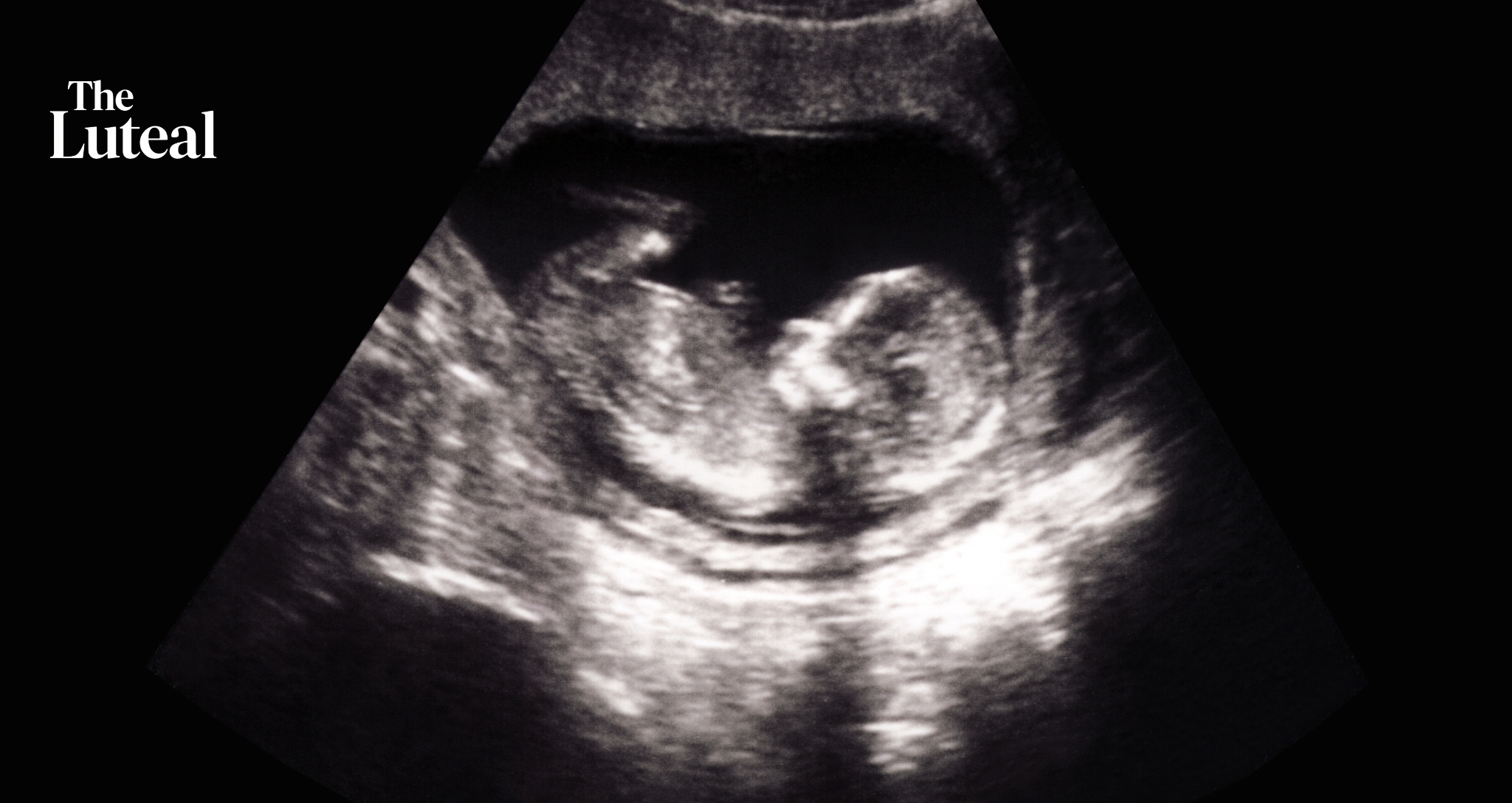
During pregnancy, cells cross the placenta both ways and stay. Fetal cells lodge in the mother's blood, bone marrow, liver, heart, and brain for decades. Maternal cells settle into the child and persist into adulthood.
It's called microchimerism, it was first documented in 1893, and one multi-organ study detected fetal cells in 100% of the tissue samples it examined. Almost everyone who has been pregnant or been born is a genetic chimera.
This biology already produced one of the most valuable diagnostics in medicine, then produced almost nothing else for thirty years.
One paper, one industry
In 1996, physician-geneticist Diana Bianchi showed that male fetal cells persist in a mother's blood and bone marrow for decades. It remains the most-cited paper in the field. The insight underneath it — fetal genetic material circulates in maternal blood — became the foundation for reading a fetus's chromosomes from a blood draw. Dennis Lo built the cell-free-DNA sequencing method that made it routine.
That's non-invasive prenatal testing: a multibillion-dollar franchise Illumina, Natera, and Roche have competed over for a decade, and arguably the largest commercial success women's health has produced. It came directly out of microchimerism research. Then translation stopped. NIPT is still essentially the only major product the field has generated.
Everything the field learned after 1996 points at products no one has built.
The strongest thread is autoimmune disease, where 75–80% of all patients are women and lupus skews female roughly 9:1. Microchimerism is a leading suspect for that bias: another person's cells living permanently in your tissue is a plausible trigger for an immune system to lose the self/non-self line. Systemic sclerosis, rheumatoid arthritis, and lupus recur throughout the literature.
The cancer signal is unresolved in a way that cuts both ways. Fetal cells appear at lower frequencies in the blood of women with breast cancer but at high concentrations inside maternal tumors, leaving open whether they drive the disease or fight it. Fetal cells have also been found doing apparent repair work in Cesarean scar tissue, and 2026 research from Cincinnati Children's reframes them as functional cells that help a mother's immune system "remember" a pregnancy, with implications for preeclampsia, prematurity, and stillbirth.
So after 30 years why was nothing built on this? You couldn't see the cells that mattered.
The bottleneck was detection, and it was specific. The standard method looked for a Y chromosome — male cells in female tissue. That ignored the largest population of interest, mothers and daughters, where there's no Y chromosome to find. A field trying to explain a female-biased disease burden was structurally best at detecting male cells.
That wall came down in 2026. A team at the Medical University of Graz published a method identifying microchimeric cells through a panel of HLA tissue-compatibility genes rather than the Y chromosome, making mother-daughter systems detectable for the first time. The same season, the field held its first international conference and published a 29-author research agenda in Advanced Science.
The rare-cell tooling matured elsewhere. Single-cell analysis and rare-cell capture are the same technologies oncology liquid biopsy has spent a decade and billions industrializing. The infrastructure exists. It was built for cancer, and almost none of it has been pointed here.
Bianchi's 1996 paper became a multibillion-dollar prenatal-testing market. In thirty years, the field hasn't produced a second.
That one is still unclaimed. The two things that made it unbuildable just resolved at once: oncology paid to build the detection tools, and a 2026 method made the right cells visible. What's left isn't research risk. It's an access question. Knowing how to find these cells is both the barrier to entry and the moat once you're past it.
For clinicians, it's already live. Persistent fetal cells skew certain blood and tissue readings, and they've been tied to autoimmune flares and, in transplants, better graft tolerance. A patient's reproductive history is still physically in her body decades later. That's a variable now, not a curiosity.
That gap closed in 2026. The science is done. The tools are built. The company isn't.